Monthly Budget for Malaysian Students in Korea (2026)
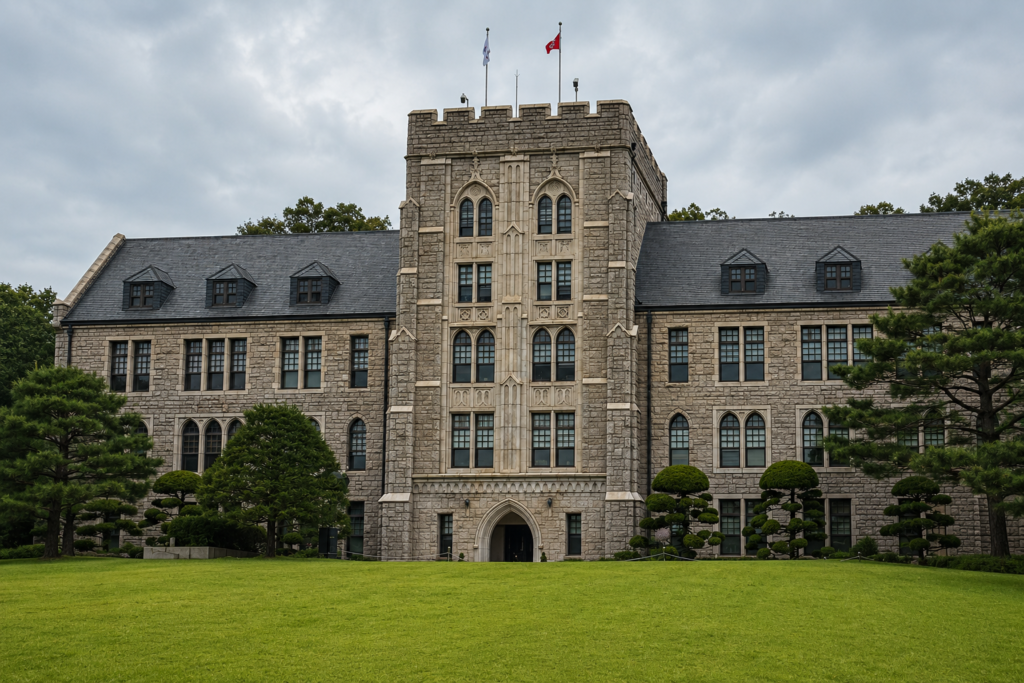
If you are wondering about the cost of studying in Korea for Malaysians, this guide explains tuition fees, accommodation, food, transportation, and monthly living expenses in 2026.
Accommodation
- Rent in Seoul: RM1,000 – RM1,700 per month
- Deposit: Around RM27,000 (one-time refundable deposit)
Although the deposit may seem high, Korea has systems in place to help protect tenants. If you rent through a trusted agency and follow the proper procedures, the risk of scams can be significantly reduced. In many cases, the government also provides protection for rental deposits up to a certain amount.
Food
Food expenses depend heavily on your eating habits.
- Eating mainly at university cafeterias or cooking at home: RM600 – RM1,000 per month
- Eating outside regularly: RM1,200 – RM1,500 per month
University cafeterias in Korea are generally affordable and offer meals ranging from RM10–RM20 per meal.
Health Insurance
After staying in Korea for six months, international students are required to enroll in the National Health Insurance Service (NHIS).
- Insurance: Approximately RM200 per month
While this may seem expensive initially, it greatly reduces medical expenses when visiting clinics or hospitals.
Transportation
Transportation costs are relatively affordable.
Students in Seoul can use the Climate Card, which provides unlimited rides on buses and subways within Seoul.
- Climate Card: Approximately RM150 per month
The card can also be used on the AREX all-stop train to Incheon Airport, although it cannot be used on the Airport Limousine Bus or certain premium airport services.
Estimated Monthly Expenses for Malaysian Students in Korea
| Category | Budget Option | Comfortable Option |
| Accommodation | RM1200 | RM1700 |
| Food | RM600 | RM1500 |
| Insurance | RM200 | RM200 |
| Transportation | RM150 | RM150 |
| Total | RM2150/month | RM3550/month |
Most Malaysian students spend between RM2,150 and RM3,550 per month on basic living expenses. This estimate excludes personal spending such as shopping, entertainment, travelling, and social activities.